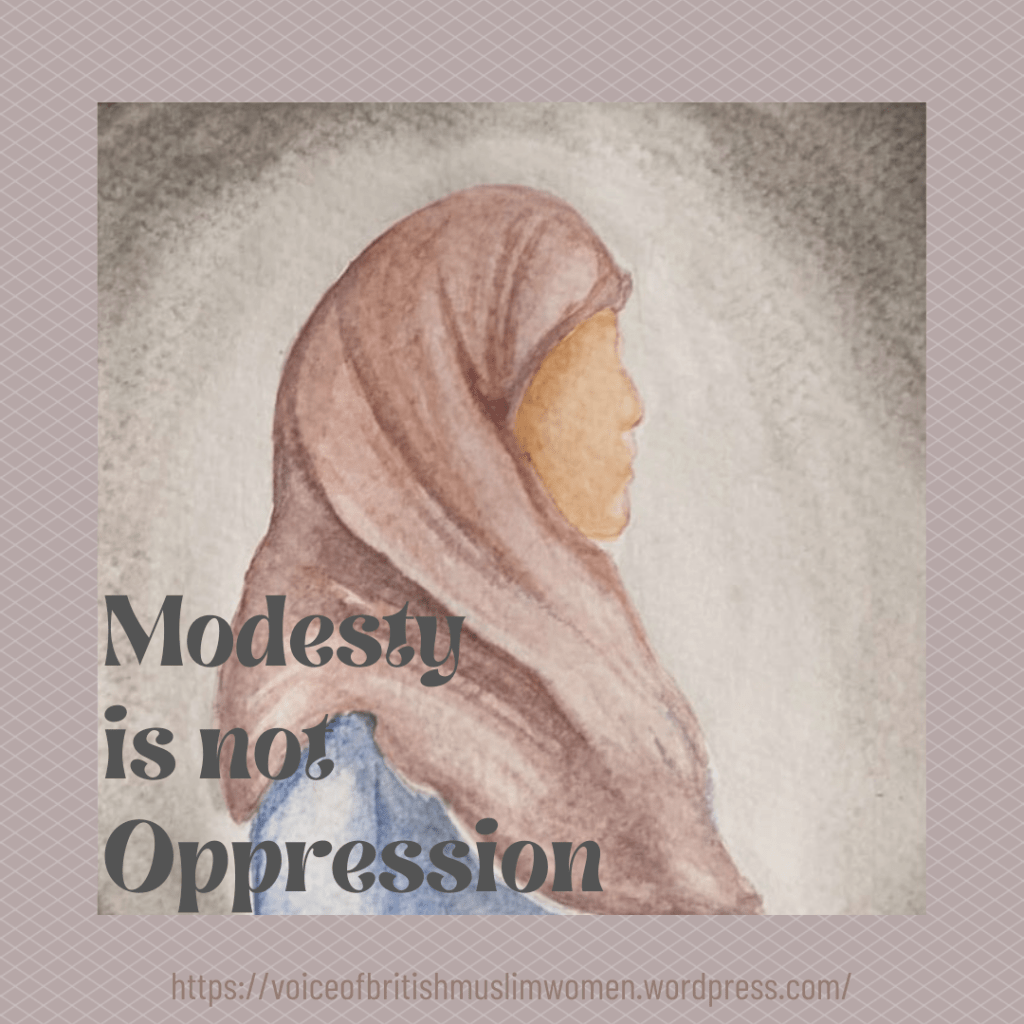
Momina Jowaheer, London
In today’s society, debate over Islamic values, such as the observance of the Islamic veil, is on the rise. Similarly, speculation surrounding the oppression of women in Islam is more prevalent than ever, with the allegation that Muslim women have no given status and are subjected to oppression. However, many have failed to realise that, whilst the battle for gender equality is still ongoing in Western society and the concept of feminism ever-expanding, it is ironically the religion of Islam which has safeguarded the rights of women.
To understand the empowerment of Muslim women, we must first consider its origins. Over thousands of years, women had no standing in society in comparison to today. Women in all countries were subject to enslavement and servitude1. They were silenced by men and those in authority over them and were denied the right to vote or own property and denied rights over guardianship of their children, to name just a few. Women were entrapped and treated as ‘property’ by their husbands1. With the advent of the Holy Prophet Muhammad (peace and blessings of Allah be on him), these injustices and cruelties were brought to a sharp end. It was he who established the rights of Muslim women, well before our society was even aware such freedom existed.
Muslim women, daughters and wives alike, were given their due rights. The Prophet Muhammad (peace and blessings of Allah be on him) announced that God Almighty had sent him to safeguard this1. He placed emphasis on the education and fair upbringing of girls, men were instructed to treat their wives fairly and show them kindness and women were given the right to divorce and inheritance. The Holy Prophet (peace and blessings of Allah be on him) made it clear that women should not be placed under unnecessary distress by separating them from their children and mothers were given a high status. The emotions and well-being of women were given precedence at a time when they had no voice or standing in society. The Holy Prophet (peace and blessings of Allah be on him) had such care and compassion for mankind that he taught against all forms of evil and malpractice. The world ridiculed this yet over 1300 years later, governments ironically introduced the same laws conforming to his teachings.
There are many Islamic principles put in place for the protection and well-being of Muslim women. Men are not favoured, for it is stated in the Holy Quran: “Whoso acts righteously, whether male or female and is a believer, We will surely grant him a pure life; and We will surely bestow on such their reward according to the best of their works.” (16:98)
Therefore, this verse elucidates that women and men will be judged according to their deeds rather than their gender; we cannot assume that women are oppressed, merely based on the actions of a few individuals who do not follow the correct teachings of Islam. The notion of oppression mainly stems from the Islamic veil and observing modest attire. However, Islam does not permit forcing a woman to wear the hijab; it should be through her own free will. Islam represents peace and love; kindness and compassion, not hate and aggression.
Atrocities committed in the name of Islam by misguided, opportunists has led to its peaceful nature being portrayed in a negative light. Furthermore, the Islamic veil has been attacked, with some counties even banning it; however, the mere fact of banning Muslim women from the veil goes against doctrines of feminism and freedom of expression and makes the lawmakers oppressors of women. The hijab serves as a woman’s protection from many social ills3 and women in Islam are in fact liberated.
I am Muslim by choice. I wear my hijab and observe modest clothing of my own free will. I am from the Ahmadiyya Muslim community which stands for respect, peace and tolerance – the embodiment of Islam. We practice Islam in its true, peaceful way. Ahmadi Women have their own auxiliary organisation within the community, where we can perform our services to humanity freely. We are encouraged to increase our secular and non-secular knowledge for the betterment of society – this is the essence of empowerment.
Our beloved Khalifa, His Holiness Mirza Masroor Ahmad (may Allah be his Helper) ensures that our due rights are given. When addressing the German press on 5th July 2019, he stated: ‘My philosophy is, if women work outside the shade of men, they flourish better.’4 Any Muslim woman who understands the true nature of Islam will echo this and say the notion of oppression of Muslim women is false.
References
 Voice of British Muslim Women
Leave a comment